
Walk In Tubs Arizona: a practical guide to choosing the right tub for your body, your bathroom, and your budget
If you are shopping for walk in tubs in Arizona, you are usually trying to solve a very specific problem. You want bathing to feel stable and predictable again. You also want the project to make sense financially. That is exactly what this page is built for.
Below you will find a plain-English buyer’s guide, local Arizona resources, and a simple quote form if you want help narrowing down the best model options. We cover the entire state, including Phoenix, Mesa, Scottsdale, Glendale, Chandler, Gilbert, Peoria, Tucson, and Surprise—and all counties.
Request Arizona pricing guidance
Send your info and we’ll respond with practical options based on your space, goals, and timeline.
Arizona buyer’s guide: what matters most before you buy
The fastest way to choose the right walk in tub is to focus on daily use first, then features second. In Arizona, people also need to think about heat, hydration, and the way hard water can affect fixtures over time. This guide is built to help you buy with clarity, not pressure.
Start with the “daily-use” checklist
Before you compare brands, answer these questions. They decide the tub style far more than marketing claims.
- Can you sit down and stand up from a standard chair height without support?
- Do you need a wider seat, or a longer basin for taller bodies?
- Would a left or right drain placement simplify plumbing in your bathroom?
- Do you prefer an outward opening door, or is space tighter near the toilet/vanity?
- Do you want water to drain quickly so you are not waiting in the tub?
Arizona-specific considerations
Arizona homes vary widely. You may have tile on slab, older plumbing in historic neighborhoods, or tight hallways in townhomes and condos. Also, summer heat can affect comfort. People often prefer a controlled water temperature, plus fast drain so bath time stays efficient.
- Hard water can lead to mineral buildup; simple maintenance and quality components matter.
- Heat makes hydration more important; talk to a clinician if you have circulation concerns.
- Space planning matters in smaller bathrooms; door swing and seat height should be chosen early.
Walk in tub pricing in Arizona: what drives cost the most
In most cases, cost is driven by three things: the tub category, the door and drain configuration, and the installation scope. The goal is not to chase the cheapest number. The goal is to get the right fit, then optimize the budget intelligently.
Typical cost drivers (higher bar = bigger impact)
If you want a confident quote, send your ZIP and tell us if the tub is replacing a standard tub or converting a shower/tub area.
Budget-friendly strategy that still feels premium
You can often keep the project efficient by selecting the correct size and drain configuration first, then adding targeted comfort upgrades only if they match your needs. This is especially helpful if you are working within a fixed monthly budget.
- Choose a size that fits your body and bathroom layout without major framing changes.
- Prioritize faster drain solutions if waiting time is a concern.
- If you want hydrotherapy, choose it because you will use it weekly, not “just in case.”
- Keep flooring and wall repairs minimal when possible to reduce labor time.
What people in Arizona often underestimate
The most common surprise is not the tub price. It is the small construction details that appear once the old tub is removed. For example: valve upgrades, drain alignment, subfloor condition, or tight access in hallways. The best way to avoid surprise is a clear scope conversation early.
Installation timelines: “one day” vs. custom scope
Some replacements can be completed quickly when the plumbing aligns and the space is straightforward. However, if you are changing the layout, moving plumbing, or repairing water damage, the project may take longer. Either way, you can still plan a smooth path with a clear estimate.
Compare walk in tub options like a pro
Marketing pages usually push features. This section helps you compare what actually changes daily use. If two tubs cost different amounts, it is usually because of sizing, door style, drain design, and build components.
Door style and space
Door swing is not a small detail. It decides whether the tub fits comfortably near your toilet, vanity, or doorway. If the bathroom is tight, this is one of the first questions to resolve.
- Outward doors often feel simple to use.
- Inward doors can help in tighter rooms.
- Check clearance with a tape measure before you order.
Drain speed and “waiting time”
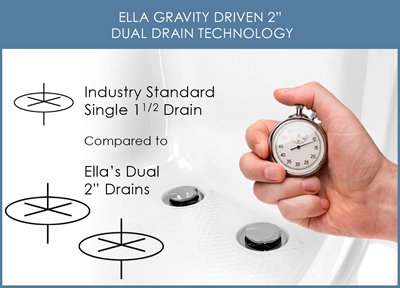
Many buyers do not think about drain time until the first week of ownership. If standing or sitting for long periods is uncomfortable, focus on drain solutions early.
- Ask about dual-drain designs and pump assistance options.
- Confirm how the tub drains during a power outage plan.
- Match drain choices to your comfort, not a spec sheet.
Seat height and entry depth
A good seat height can reduce strain on knees and hips. Entry depth should match your mobility and balance confidence. These two items matter more than “extra features” for many households.
- Measure your preferred chair height at home.
- Confirm step-in height before you commit.
- Choose grab bar placement that feels natural for you.
Arizona resources that can help with planning and support
If you are coordinating care for a parent, recovering from surgery, or planning a long-term solution, these resources can help you find guidance. Some programs also discuss home modifications for people who qualify. Availability varies by eligibility and location, so it is worth calling early.
Falls and injury prevention information
Falls are a major concern for older adults nationally, and the CDC reports that over 14 million older adults—about 1 in 4—report a fall each year. :contentReference[oaicite:1]{index=1} Arizona also highlights fall prevention as a key healthy aging issue. :contentReference[oaicite:2]{index=2}
Area Agencies on Aging (by county)
Arizona’s DES provides a statewide list of Area Agencies on Aging and contact information by county. :contentReference[oaicite:3]{index=3} These organizations can often direct you to caregiver support, local programs, and planning resources.
Home modification programs and policy examples
Some Arizona programs discuss home modifications for qualifying residents. For example, Ability360 describes home modifications in Maricopa County and notes potential funding connections. :contentReference[oaicite:4]{index=4} AHCCCS policy documents also include examples of modifications that may be covered under certain situations. :contentReference[oaicite:5]{index=5}
Linking strategy that strengthens your main brand
Yes—linking to your Arizona location page on AgingSafelyBaths.com is a good idea. It helps connect this Arizona buyer page to your core authority hub and gives Google a clearer relationship between properties.
Photos: real walk in tub examples
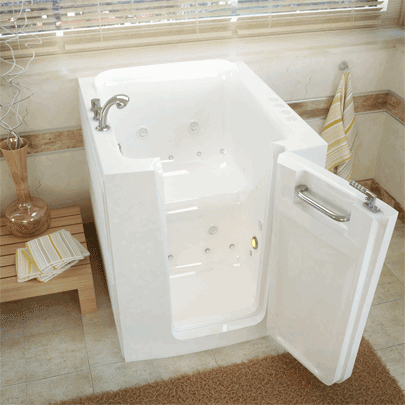
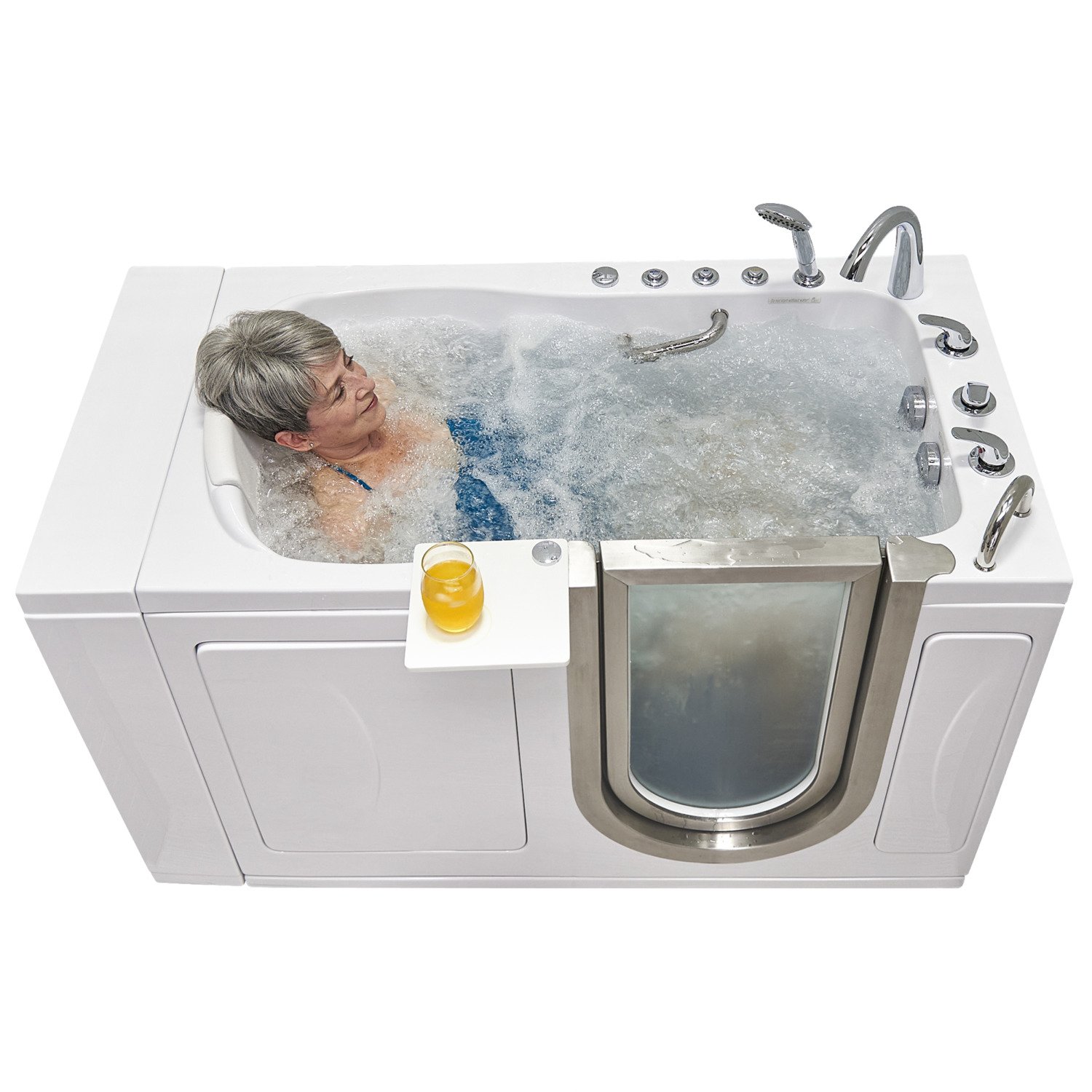
These images show different styles and interior layouts. Use them to visualize door swing, seat positioning, and control placement.
How to buy the right walk in tub without wasting money
Here is the simplest framework: pick the tub category, confirm fit, then select a feature set that you will actually use. Most “bad purchases” happen when people choose features first, then discover that entry height, seat height, or door swing is not ideal for their body.
Step 1: Choose the correct category
A compact tub can be the right decision if space is tight and you want a predictable daily routine. A larger tub can be worth it if your body needs more room, or if you want a deeper soak. If transferring from a wheelchair is part of the plan, specialized transfer designs matter.
- Compact: often fits standard spaces with fewer layout changes.
- Standard: balanced choice for many Arizona bathrooms.
- Large/bariatric: better comfort for bigger frames and longer legs.
- Transfer-friendly: focused on easier entry and movement.
Step 2: Confirm fit with real measurements
A tape measure prevents regret. Measure the doorway width, turning space, and where the door will swing. Also measure the wall-to-wall span where the tub sits. If you have baseboards, note the gap. These details prevent last-minute surprises.
- Measure door clearance: tub door, bathroom door, and walkway space.
- Confirm plumbing location: drain alignment and valve access.
- Consider who uses it: the tub should work on tired days too.
Step 3: Select features that change real life
Features are helpful when they solve a real problem. For example, if your feet swell or you have chronic stiffness, hydrotherapy may be meaningful. If you simply want easier entry and predictable bathing, a simpler tub may be best.
- Fast drain solutions reduce sitting time after bathing.
- Textured floor surfaces help reduce slip risk.
- Grab bar placement should match your reach and strength.
- Easy controls matter if dexterity is limited.
Water heater reality check
Many Arizona homes have standard water heaters that work fine. However, deeper tubs can require more hot water. If you already run out of hot water in a typical shower, consider a water heater upgrade plan before you finalize a deep-soak model.
- Ask how many gallons the tub uses at the fill line you prefer.
- Confirm your water heater size and recovery rate.
- Consider mixing valves if temperature stability is important.
Arizona walk in tubs FAQ (25 questions)
These answers are designed to help you make decisions quickly. If you want help matching a tub to your bathroom and budget, use the quote form above.
1) What is the biggest mistake people make when buying a walk in tub?
They choose features first and fit second. Door swing, seat height, and entry height decide daily use. Get those right, then choose comfort upgrades.
2) Are walk in tubs only for seniors?
No. Many buyers in Arizona are recovering from surgery, managing chronic stiffness, or planning ahead so bathing stays predictable over time.
3) Does a walk in tub work in a standard tub space?
Often yes, especially for replacements. The exact fit depends on tub dimensions, drain placement, and the condition of the existing alcove.
4) How do I know if an outward opening door will fit my bathroom?
Measure the clearance in front of the tub where the door swings. Check the toilet, vanity, and bathroom door path to avoid conflicts.
5) What should I prioritize if I want less waiting time after bathing?
Focus on drain speed options. Ask about dual-drain solutions or assisted draining options that match your comfort level and backup plan.
6) Is hydrotherapy worth it?
It can be, if you will use it weekly and it matches your goals. If you mainly want easier entry and a stable routine, a simpler model may be best.
7) Will a walk in tub raise my water bill?
It can increase water use compared to quick showers, depending on fill depth. Many households manage it by bathing efficiently and choosing an appropriate tub size.
8) Do I need a bigger water heater in Arizona?
Not always. Deeper tubs may require more hot water. If your household already runs short on hot water, consider an upgrade plan before finalizing a deep soak.
9) Can a walk in tub help if I have knee or hip stiffness?
It can reduce the need to step over a high tub wall. Seat height and grab bar placement matter a lot for comfort and ease of movement.
10) How long does installation usually take?
Some replacements can be completed quickly when plumbing aligns and the scope is straightforward. Layout changes or repairs can add time.
11) Can I do DIY installation with my own contractor?
Yes. Many homeowners prefer DIY-friendly delivery statewide and use a local contractor. Share your bathroom photos and measurements for accurate planning.
12) What measurements should I collect before requesting a quote?
Doorway width, tub alcove width, distance to toilet/vanity, and the approximate drain location. A few photos help, too.
13) Are there options for larger or taller adults?
Yes. Larger and longer tubs exist. The right choice depends on body dimensions, doorway access, and whether you want more legroom or a wider seat.
14) Are transfer-friendly tubs available for wheelchair use?
Yes. Transfer-oriented models focus on easier entry and positioning. Share your mobility needs so we can recommend an appropriate category.
15) What type of door seal prevents leakage?
Quality seals plus correct installation matter. Ask about testing processes and warranty coverage for seals and components.
16) What maintenance is typical in Arizona’s hard water conditions?
Routine cleaning and periodic attention to mineral buildup helps. Simple habits can keep fixtures looking better over time.
17) Can I keep a shower function with a walk in tub?
Many homeowners do. Options vary by model and bathroom layout. If showering is still preferred most days, mention it in your request.
18) What warranties should I look for?
Look for clear coverage on the door seal, structure, and mechanical components. Also ask what is covered if you move.
19) Is it better to replace my tub or convert to a shower instead?
It depends on your mobility, caregiver needs, and preferences. If stepping over a tub wall is the main issue, a walk in tub can help. If space and wheelchair access are priorities, a shower conversion may make more sense.
20) Are there programs in Arizona that discuss home modifications?
Some local organizations and policy documents discuss home modifications for people who qualify. Availability depends on eligibility and location, so it is best to call early and ask.
21) What ZIP codes do you cover in Arizona?
We cover the entire state. If you submit your ZIP, we can advise options and timelines for your area.
22) How do I avoid buying the wrong size?
Measure first and match the tub category to your body. If possible, share your height and weight range and the bathroom dimensions for better recommendations.
23) What matters most if I have limited hand strength?
Easy controls, stable grab bar placement, and a door handle that feels comfortable. Mention dexterity concerns in your request so we can recommend a better fit.
24) Can I finance a walk in tub?
Financing options vary. The best approach is to confirm the exact configuration you want first, then review payment paths based on the finalized scope.
25) What is the fastest way to get the right recommendation?
Submit your ZIP and a short note about your bathroom layout (tight space vs open, left/right drain, shower preference). We can narrow to a short list quickly.
Accessibility Statement
We are committed to providing a website that is accessible to the widest possible audience, including seniors and individuals with disabilities. We strive to improve usability and readability by following best practices for clarity, contrast, and simple navigation.
If you experience any difficulty accessing content on this website, or if you need assistance using any part of the site, please let us know. We take accessibility feedback seriously and will make reasonable efforts to address concerns.
You can contact us at accessibility@agingsafelybaths.com for accessibility-related support.